
Where To Buy

Whiskey Tasting Tips for Beginners: A Guide to Enjoying Every Sip

Pouring whiskey into glasses lined up on a bartop

Whiskey Tasting Tips for Beginners: A Guide to Enjoying Every Sip

Whiskey tasting is more than just sipping a drink—it’s an experience, a journey into aroma, flavor, and tradition. At Windows Distillery, we know firsthand the care and craft that go into each barrel, and we love sharing that knowledge with both new and seasoned whiskey enthusiasts. Whether you’re just starting out or looking to refine your palate, our tips will help you savor every glass and uncover the nuances hidden in each pour.

Choose the Right Glass

The glass you use can change everything. A tulip-shaped glass, for example, captures and concentrates the whiskey’s aromas, directing them to your nose with precision. Holding the right glass allows you appreciate the details fully.

Look at the Color

Take a moment to admire your whiskey before you smell or sip it. Shades of amber, gold, or deep mahogany can hint at the aging process, the type of barrels used, and even the character of the spirit itself. Color isn’t the whole story, but it sets the stage for the tasting experience.

Smell Gently

Bring the glass to your nose and inhale softly. Don’t rush, as alcohol can overwhelm the senses if you’re too eager. Try to pick out layers of aroma: vanilla, caramel, fruit, spices, or subtle smoke. A good sniff prepares your palate and creates anticipation for the first sip.

Take Small Sips

Taste slowly, letting the whiskey coat your tongue. Notice the texture, the way flavors unfold, and the balance between sweet, spicy, smoky, or smooth notes. Observe how long the taste lingers and savor the story each whiskey tells.

Add Water Carefully

A few drops of water can transform a whiskey. It softens the alcohol while releasing hidden aromas and flavors. Because every whiskey responds differently, start small and experiment. Part of the fun is discovering how the spirit changes with just a splash.

Cleanse Your Palate

Tasting multiple whiskeys? Reset your taste buds with water and plain crackers. This simple step ensures each pour gets the attention it deserves, without interference from lingering flavors.

Keep Notes

Writing down your impressions may feel formal, but it’s invaluable. Over time, you’ll notice patterns in what you enjoy, develop preferences, and better understand the wide world of whiskey styles.

Whiskey tasting is about curiosity, patience, and enjoyment. With each glass, you uncover layers of history, craftsmanship, and flavor. Let yourself explore, savor, and learn.

Start your whiskey journey with the bold and nuanced flavors of Windows Batch One or Four Barrel bourbons. Your palate will thank you.
What Makes a Bourbon That Doesn’t Burn?

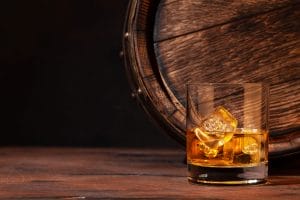
Whiskey with ice next to a barrel

Why Some Bourbons Burn

That burn you feel when sipping certain bourbons? It’s usually the result of high alcohol content paired with an unbalanced or underdeveloped spirit. Young bourbons, rushed to market before they’re properly aged, often deliver a sharp bite rather than a smooth finish. The alcohol can overwhelm flavor because the spirit hasn’t had enough time in the barrel to soften and integrate.

Windows Distillery explores this process, showing how careful aging and expert blending create bourbons that glide across the palate rather than hitting hard.

How Aging Affects Smoothness

Aging isn’t about hitting a magic number—it’s about what happens during that time. As bourbon sits in a barrel, it interacts with the wood, gaining complexity and losing harshness. A well-aged bourbon doesn’t need to be decades old. Five to seven years is often a sweet spot, allowing enough barrel interaction to create depth and smoothness without tipping into bitterness. We craft Windows Batch One bourbon with this balance in mind, delivering rich flavors that glide across the palate.

The Role of Proofing and Finishing

How a bourbon is proofed—how much water is added to bring it down to bottling strength—has a direct impact on mouthfeel and heat. A gradual, controlled proofing process preserves the structure of the spirit without flattening its character. Finishing techniques, including extra time in sherry or port barrels, can also round out the edges and contribute to a softer, richer sip. A hint of smoke in the finish, like in our Windows Four Barrel bourbon, enriches the blend and adds depth while keeping the bourbon smooth.

What to Look for in a Bourbon That Doesn’t Burn

Look for bourbons that emphasize balance over strength. High proof doesn’t have to mean high burn, but it requires expert blending and barrel selection. Read the label carefully and pay close attention to how the bourbon is described. If the focus is on mouthfeel, complexity, and a long, clean finish, it’s more likely to be a bourbon that doesn’t burn.

The Bottom Line

A bourbon that doesn’t burn is not an accident: it’s the result of doing things right. Thoughtful aging, intentional proofing, and skillful finishing all contribute to a smoother experience. For a truly satisfying sip, choose smooth bourbons crafted for balance, depth, and lasting flavor.

When balance meets boldness, you get bourbon that’s unmistakably smooth. That’s the Windows Distillery standard. Try it for yourself—and discover what exceptional tastes like.

Windows Distillery: A Toast to International Gin and Tonic Day

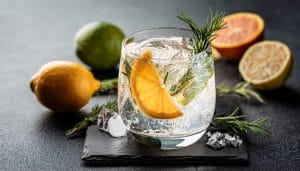
Glass of gin with a garnish surrounded by oranges and limes.

Every October 19, gin lovers around the world raise a glass to one of the most enduring pairings in cocktail history: the gin and tonic. This centuries-old classic combination is a symbol of refreshment, balance, and timeless style. At Windows Distillery, we celebrate this harmony of spirit and mixer, honoring the craftsmanship that turns simplicity into sophistication.

The Perfect Pairing

International Gin and Tonic Day is the perfect time to rediscover this timeless pairing. The magic of a gin and tonic lies in its balance. The bright botanicals of gin meet the crisp tonic, delivering a harmony of flavor in every glass. Each sip is an exploration of aroma, flavor, and texture—an invitation to slow down and savor.

Crafting the Ideal Gin and Tonic

The best G&T starts with exceptional gin. Windows Twist Gin bursts with citrus botanicals that shine against a dry tonic and a fresh lime wheel. Meanwhile, our Sunrise Gin offers a smoother, fruit-forward profile with hints of orange and vanilla, making it ideal for those who prefer a touch of sweetness.

Raise a Glass

Whether you’re hosting friends, exploring new tonics, or unwinding at home, International Gin and Tonic Day is the perfect reason to celebrate the art of balance. Create your own signature serve or experiment with new garnishes. Sample rosemary, grapefruit, cucumber, or even a hint of peppercorn to completely transform your drink.

Coming Soon: Windows’ New Gins

Experience the promise of Windows Admiral’s Cut—crisp juniper and Navy Strength boldness—and Amber Cask—warm, barrel-aged citrus, vanilla, and caramel. Perfect in a gin and tonic.

Shop Windows Distillery spirits in select stores or order online to experience how our botanicals bring new life to a timeless classic. Discover your perfect pour—crafted to be savored, wherever you celebrate.

How Vodka Is Made: What Happens Before the First Sip

two vodka shot glasses sit on a wooden tabletop. Cubes of ice are scattered around the shot glasses.

Vodka may seem simple. Clean. Straightforward. But as any seasoned drinker knows, true simplicity isn’t easy—it’s earned. Every bottle of quality vodka carries a story of science, tradition, and hands-on expertise. If you’ve ever wondered how vodka is made, the answer comes down to craftsmanship, precision, and just the right touch of artistry.

Starting with the Base Ingredients

Great vodka begins long before the distillation process—it starts with raw materials of exceptional quality. Distillers use grains like wheat, rye, or barley, or even potatoes, fruits, and sugar beets. Each ingredient has its own personality, shaping the vodka’s subtle character.

At Windows Distillery, our signature Continental Vodka reflects this global tradition. We combine Brazilian Sugar vodka, French Wheat vodka, and Polish Potato vodka to craft a spirit that embodies balance, smoothness, and authenticity.

These starch- and sugar-rich ingredients are the foundation of fermentation, the stage where alcohol is born and the spirit’s character first begins to take shape. The base may be humble, but it’s here where flavor foundations are quietly built—long before the first sip ever reaches your glass.

Distillation: The Pursuit of Purity

After fermentation, the liquid is distilled multiple times, often in column stills, until it reaches a striking 95–96% ABV. This stage isn’t about bold flavors; it’s about clarity. Vodka is intentionally stripped of impurities to achieve that clean, neutral profile that makes it endlessly versatile.

For distillers, this step is a balancing act between science and artistry. Done with care, the result is a spirit that feels as crisp and refined as it tastes.

Filtration and the Finishing Touches

Once distilled, vodka undergoes filtration, commonly through charcoal or other fine materials. This extra step may seem small, but it’s what separates an ordinary pour from a vodka that lingers smooth and polished on the palate.

The refinement here is subtle but essential. It ensures that every sip is clean, soft around the edges, and free from distractions.

Dilution: Shaping the Final Character

Vodka straight from the still is too high-proof to drink. That’s why it’s carefully diluted with water until it reaches the ideal 40% ABV. This step is about more than just balance—it’s where quality water becomes part of the vodka’s identity.

The mineral profile, purity, and texture of the water all influence the spirit’s mouthfeel. It’s the quiet detail that makes the difference between a harsh vodka and one that feels silky and approachable.

Classic or Flavored

From here, some distillers let their vodka stand pure and unadorned, while others add natural flavors like citrus, spice, or botanicals. Flavored vodkas can offer versatility, but many purists prefer the classic, clean style that honors vodka’s roots.

Whether enjoyed neat, chilled over ice, or stirred into a perfectly balanced cocktail, understanding how vodka is made adds depth to every pour.

Experience the Craft at Windows Distillery

Learning how vodka is made is only the beginning—experiencing it is where the story truly comes alive. At Windows Distillery, we bring together tradition, innovation, and global ingredients to create spirits that go beyond the ordinary. Every bottle reflects care, character, and craft.