
How Is Gin Made? Understanding the Process Behind the Spirit
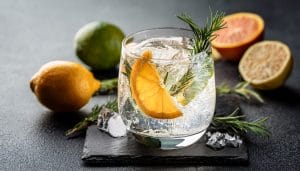
Gin is defined by its unmistakable juniper character, yet the range of flavors found in this spirit extends far beyond a single botanical. From bright citrus and delicate florals to warm spices and subtle oak, the choices made during production can create remarkably different expressions.
So, how is gin made? The process typically begins with a neutral base spirit, followed by the careful selection of botanicals that contribute aroma and flavor. Through infusion, distillation, blending, and finishing, those ingredients come together to create the gin’s distinctive character.
At Windows Distillery, our Spirit Benders™ explore these possibilities through thoughtful botanical combinations and blending techniques, bringing their own perspective to this versatile spirit.
What Is Gin Made From?
Gin begins with a distilled spirit, most commonly a neutral alcohol made from grains such as wheat, corn, barley, or rye. This base provides a foundation for the botanicals that define the finished gin.
The essential ingredient is juniper. Its distinctive pine-like, herbal character is what separates gin from other spirits. In fact, juniper must provide gin’s predominant characteristic flavor under U.S. standards.
Beyond juniper, distillers can incorporate a wide variety of botanicals to develop more complex flavor profiles. Common ingredients include:
- Coriander seeds: Add citrus-like brightness and gentle spice.
- Citrus peels: Introduce fresh notes of lemon, lime, orange, or grapefruit.
- Angelica root: Contributes earthy, herbal qualities that help bring other flavors together.
- Cardamom: Adds aromatic warmth and spice.
- Orris root: Provides subtle floral and earthy notes.
The selection and proportion of these ingredients help determine whether a gin is crisp and citrus-forward, boldly herbal, or more delicately aromatic.
How Is Gin Made? The Production Process
Gin is typically made by combining a neutral base spirit with juniper and other botanicals. These ingredients may be infused and redistilled to capture their flavors, or botanical extracts may be blended directly into the spirit. The finished gin is then brought to its intended bottling strength.
Step 1: Selecting the Base Spirit
The process typically begins with a highly refined neutral spirit. Distillers often use grain-based alcohol, although other agricultural ingredients can also serve as the foundation.
The base spirit’s relatively neutral flavor allows juniper and supporting botanicals to take a prominent role.
Step 2: Choosing the Botanicals
Botanical selection plays a central role in gin production. While juniper establishes the spirit’s essential character, the proportions and combinations of supporting botanicals influence its overall profile.
The challenge lies in finding the right balance. Too much of one botanical can overwhelm the others, while a carefully developed combination allows individual flavors to emerge without competing.
Two gins may share several ingredients yet offer entirely different tasting experiences based on their proportions and how those botanicals are incorporated.
Step 3: Infusing and Distilling the Botanicals
One of the most common ways to make gin is through redistillation, which allows the spirit to capture the aromatic compounds found in botanicals.
Two widely used techniques are:
Maceration: Botanicals are steeped directly in the spirit before distillation. This allows alcohol to extract their aromatic oils and flavor compounds.
Vapor infusion: Botanicals are placed in a basket within the still, where alcohol vapor passes through them during distillation. As the vapor moves through the basket, it carries aromatic compounds into the finished distillate.
Some distillers use a combination of techniques to achieve a particular flavor profile.
Gin can also be produced through compounding, in which botanical extracts or flavoring materials are blended with neutral spirits without redistillation. This is a recognized production method, although the resulting flavor profile can differ from that of distilled gin.
Step 4: Proofing and Bottling
Before bottling, gin is often at a higher alcohol concentration than its intended finished strength
Water is added to bring the spirit to its desired proof, a process known as proofing. In the United States, gin must be bottled at a minimum of 40% alcohol by volume, or 80 proof.
Proofing influences more than alcohol strength. Changes in alcohol concentration can affect how botanical aromas are expressed, how flavors develop on the palate, and the overall texture of the spirit.
Depending on the production method, gin may also undergo resting, blending, or filtration before bottling.
How Do Different Types of Gin Get Their Flavor?
Although juniper defines gin, the spirit encompasses a broad range of styles. Botanical selection, distillation methods, proof, and finishing all contribute to the differences between them.
London Dry Gin is known for its prominent juniper character and dry, clean profile. Its production is subject to specific standards governing how flavor is introduced.
Contemporary Gin often places greater emphasis on citrus, floral, or herbal botanicals while retaining juniper as an essential component.
Navy Strength Gin is typically bottled at a higher proof, traditionally around 57% ABV, creating a more concentrated drinking experience.
Barrel-Aged Gin spends time in wooden barrels, where the spirit can develop additional notes of oak, vanilla, spice, and caramel. The barrel may also impart a subtle amber color.
These variations demonstrate how a spirit built around the same defining botanical can take on different characteristics through production and finishing.
How Windows Distillery Approaches Gin
At Windows Distillery, botanical selection is only part of the process. Our Spirit Benders™ also consider how blending, proofing, and finishing can shape the final expression.
Our four gins demonstrate different approaches to building flavor, from bright citrus and bold juniper to the added complexity of oak.
Sunrise Gin: A Distinctive Botanical Combination
Sunrise Gin brings together classic juniper with citrus and vanilla. By incorporating vanilla into the botanical basket, Windows creates a softer, more rounded expression that balances fresh citrus with subtle sweetness.
Twist Gin: Bright Citrus Character
Twist Gin takes a citrus-forward approach, using lemon, lime, and orange alongside juniper in the botanical basket. The combination creates a crisp, refreshing profile that highlights how citrus botanicals can shape a gin’s aroma and finish.
Admiral’s Cut Gin: The Influence of Proof
Admiral’s Cut Gin explores the bolder side of gin through its navy-strength character. Its higher proof gives juniper and supporting botanicals a more pronounced presence, creating a powerful aromatic profile and a longer finish. This expression highlights how bottling strength can influence a gin’s intensity and structure.
Amber Cask Gin: Adding Another Dimension Through Oak
Amber Cask Gin illustrates how barrel finishing can transform a gin after distillation. Made with a botanical recipe featuring juniper and orange rind, Amber Cask Gin is finished in a cask previously used for one of Windows Distillery’s bourbons.
As the spirit rests in oak, it develops additional layers of vanilla, caramel, spice, and subtle chocolate. The gin then undergoes a seven-month slow-proofing process to achieve its signature smooth finish.
Discover the Craft Behind Every Pour
From botanical selection to distillation, proofing, and finishing, each stage of gin production contributes to the final spirit.
At Windows Distillery, our Spirit Benders™ bring these elements together to create four expressions, each with its own approach to flavor.
Explore the Windows Distillery collection and discover a gin that suits your palate.