
A Brief History of Gin: From Medicine to the Best Gin on the Shelf
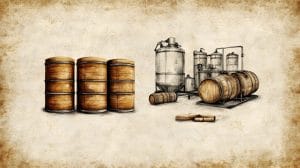
Gin may be one of the most versatile spirits behind the bar today, but its rise to becoming the best gin on the shelf is centuries in the making. From medicinal tonic to naval staple to modern craft obsession, gin’s story is one of reinvention, regulation, and refinement.
Understanding what makes an exceptional gin requires looking back at how it evolved and how craftsmanship continues to shape it.
Gin’s Medicinal Beginnings
The earliest expressions of gin trace back to 11th-century Europe, when monks and apothecaries infused neutral spirits with juniper berries. Juniper was believed to have healing properties: aiding digestion, fighting illness, and purifying the body.
These early botanical spirits were not designed for pleasure. They were sharp, resinous, and medicinal. But they established the defining characteristic that still anchors the best gin today: juniper at the core.
Dutch Genever and the Foundation of Flavor
In the 1600s, the Dutch formalized juniper spirits into genever, a malt-based distillate layered with botanicals. Earthier and fuller than modern gin, genever introduced balance: grain depth alongside botanical brightness.
British soldiers encountered genever during the Eighty Years’ War and brought their taste for it home. Over time, genever evolved linguistically and stylistically into gin, setting the stage for England’s deep relationship with the spirit.
In fact, this relationship is so strong that the United Kingdom government designated genever as a “protected spirit drink name,” meaning it can only be used for spirits produced to traditional specifications in the Low Countries.
The Gin Craze: When Popularity Outpaced Quality
By the early 18th century, gin consumption in England exploded. However, cheap production methods led to inconsistent and often dangerous spirits flooding the market. The infamous Gin Craze revealed both gin’s mass appeal and the consequences of poor oversight.
Government regulation followed through Parliament Gin Acts, which imposed stricter production standards and licensing requirements. Over time, quality improved. Technique sharpened. Expectations rose.
This period shaped a lasting truth: the best gin requires discipline, structure, and standards.
London Dry: A Defining Chapter in Gin’s Evolution
The 19th century introduced the style most closely associated with premium gin: London Dry.
Despite its name, London Dry is not defined by geography but by method. Under official European Union spirits regulations, section 22, this category requires:
- No artificial flavorings
- No added sugar after distillation
- Botanicals infused during distillation
- A clean, crisp, juniper-forward profile
London Dry became the benchmark for clarity and balance, establishing a structured foundation for gin’s global reputation. From that foundation, the next chapter of refinement would move beyond location and into how a spirit is shaped, blended, and finished.
Modern Craft Gin: Expanding the Definition
The 21st century ushered in a gin renaissance. Distillers began exploring:
- Citrus-forward profiles
- Floral and herbaceous expressions
- Textural innovation
- Regional botanicals
- Higher-proof releases
The question shifted from “What is gin?” to “What makes the best gin?”
Today, the answer goes beyond distillation alone. It includes balance, mouthfeel, aromatic layering, and finish. This is where blending and finishing play a defining role.
Blending and Finishing: Refining Character Beyond Distillation
While distillation builds the foundation, blending and finishing shape the final experience.
The best gin isn’t simply distilled well: it’s refined with intention. Botanical intensity can be elevated or softened. Texture can be structured or rounded. Aromatics can be layered for depth and clarity.
At Windows Distillery, our work centers on this final shaping. As Spirit Benders™, we focus on how a spirit presents in the glass — how it opens, how it carries through a cocktail, and how it finishes on the palate.
That attention to structure and balance defines our expressions:
- Sunrise Gin brings creamy orange-vanilla notes layered over classic juniper.
- Twist Gin delivers a bright citrus snap with precision botanical framing.
- Admiral’s Cut Gin delivers bold navy strength intensity with amplified juniper and a long, commanding finish.
- Amber Cask Gin rests in oak to reveal subtle spice, warm depth, and a smooth, rounded finish.
Our gins reflect the belief that high quality spirits are is as much about refinement as they are about origin.
Defining the Best Gin Today
The best gin is defined by balance and intention. It begins with juniper — clear, confident, and unmistakable — supported by botanicals that work in harmony rather than competition. It shows structural clarity from first aroma to final sip. Texture carries weight without heaviness. The finish lingers with purpose.
Above all, an exceptional spirit reflects craftsmanship — not just in distillation, but in how the spirit is shaped, blended, and refined before it ever reaches the glass.
From medicinal origins to London Dry standards to modern navy strength expressions, gin has continually refined itself. It’s the result of thoughtful refinement, from first botanical to final pour.
Windows Distillery: Shaping the Future of Gin
At Windows Distillery, we see ourselves as part of that ongoing evolution. Our spirits respect history while shaping what comes next through blending and finishing expertise.